
Choosing a destination for a remote expedition requires a clear understanding of the biological and logistical variables involved. The Bristol Bay watershed, particularly the Nushagak River, remains a primary destination for those seeking high-density salmon runs. However, the experience varies significantly between providers. To maximize both the success of the harvest and the quality of the stay, anglers must evaluate salmon fishing lodges in Alaska based on their proximity, the quality of their infrastructure, and the transparency of their harvest data.
Navigating the Biological Windows of the Nushagak
The success of any trip is fundamentally linked to the migration patterns of the five Pacific salmon species. The Nushagak River hosts one of the largest wild King salmon runs globally, typically seeing an average annual index of approximately 235,000 fish. For those targeting specific species, timing must align with these data-driven windows:
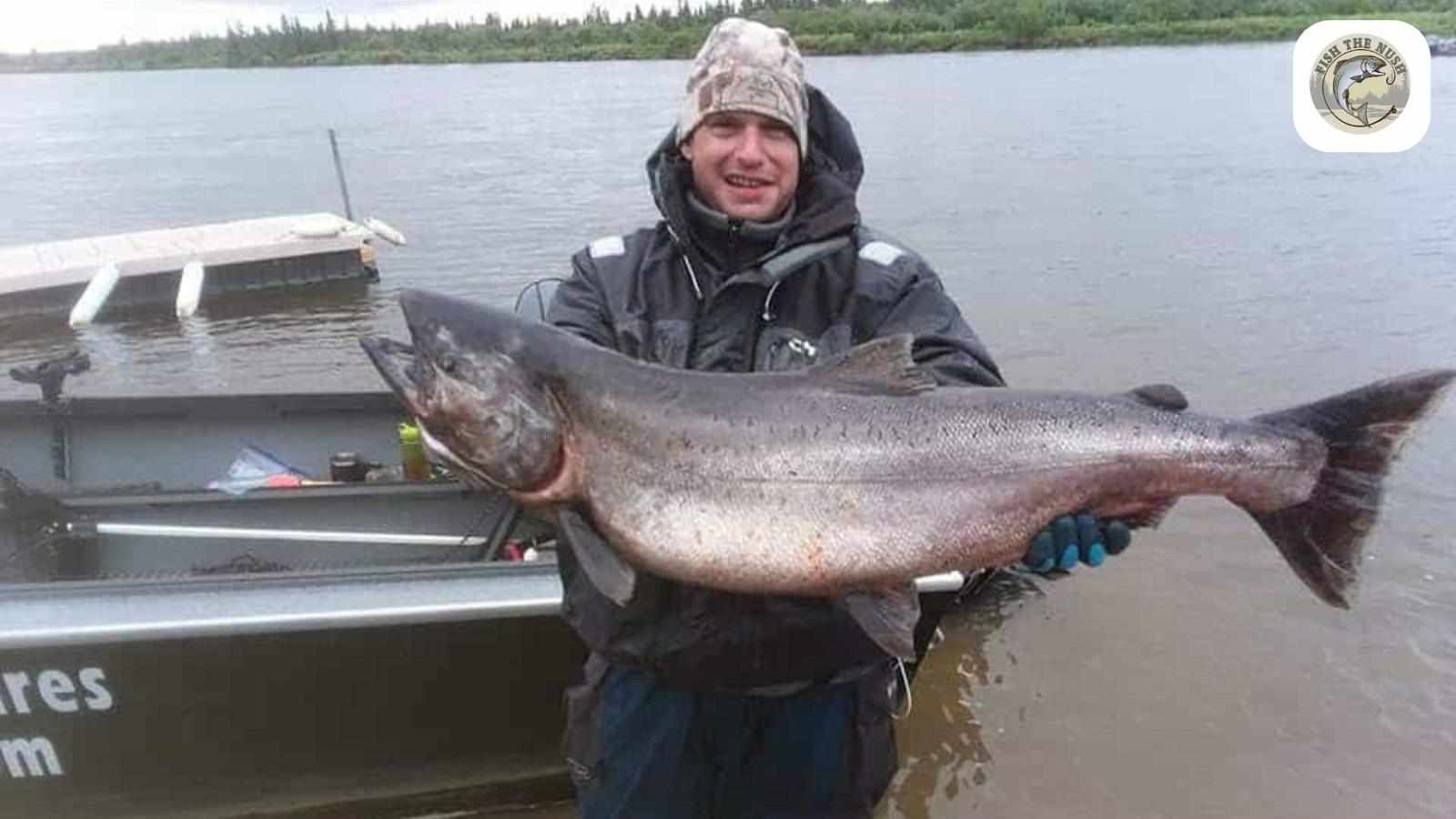
King Salmon (Chinook): The official season begins June 1, but the "heart" of the run occurs between June 15 and July 5. Sonar counts during this peak can exceed 20,000 fish in a single 24-hour period.
Sockeye Salmon (Red): These run alongside the Kings with a condensed peak from June 21 to July 12.
Coho Salmon (Silver): A separate, aggressive run that occupies the river from July 21 through August 15.
Chum and Pink Salmon: These species supplement the river’s biomass, ensuring consistent action throughout the summer months.
Infrastructure: The Shift from Camp to Lodge
A significant distinction exists between traditional "fish camps" and established lodges. Many remote operations rely on temporary structures and basic cots, which can lead to fatigue over a multi-day trip. In contrast, modern facilities on the Nushagak have prioritized structural integrity and comfort. High-end lodges now feature insulated wood cabins (typically 12' x 20'), real mattresses with down pillows, and 24-hour power. This transition ensures that guests can recover physically in a climate-controlled environment, which is essential given the physical demands of battling 30-pound Chinook in varying weather conditions.
The Strategic Application of Real-Time Escapement Data
In the professional guiding industry, credibility is built on more than just intuition; it is established by how effectively a lodge integrates biological data from the Alaska Department of Fish and Game (ADF&G) into its daily operations. The Nushagak River is home to a sophisticated sonar station at Portage Creek, which serves as the "eyes" of the river. By monitoring these sonar counts around the clock, expert guides can transition from generalized scouting to precision targeting based on current "in-river" goals.
This data-driven approach is critical for managing expectations and maximizing harvest success. For instance, the ADF&G sets a sustainable escapement goal for Nushagak Kings between 55,000 and 120,000 fish. When sonar reports indicate a massive "pulse"—a phenomenon where tidal shifts can push as many as 400,000 Sockeye into the river in a single 24-hour window—it signals a tactical shift for the lodge.
Understanding these daily pulses allows the lodge to offer its guests a distinct competitive advantage:
Precision Positioning: Guides can identify exactly which "holes" or river sections the fresh run is currently moving through.
Technique Adaptation: Knowing the density of the run helps guides decide between back-trolling for aggressive Kings or focusing on the banks for traveling Sockeye.
Resource Management: It allows the lodge to coordinate boat rotations to ensure guests are always in the highest-density "holding water."
By leveraging the same metrics used by state biologists, the lodge ensures that every guest is positioned to intercept the peak of the run, transforming a standard fishing trip into a masterclass in wilderness strategy.
Logistics and Comprehensive Service Models
When evaluating Alaska salmon fishing lodges, the service model should be all-inclusive to prevent hidden costs. A professional operation manages the entire logistical chain, including:
Transportation: Floatplane or boat transit from hubs like Dillingham.
Professional Processing: Vacuum-sealing and flash-freezing catch in airline-approved boxes.
Guided Expertise: Utilizing custom Alumaweld boats and high-end tackle (e.g., Lamiglas rods and Daiwa reels).
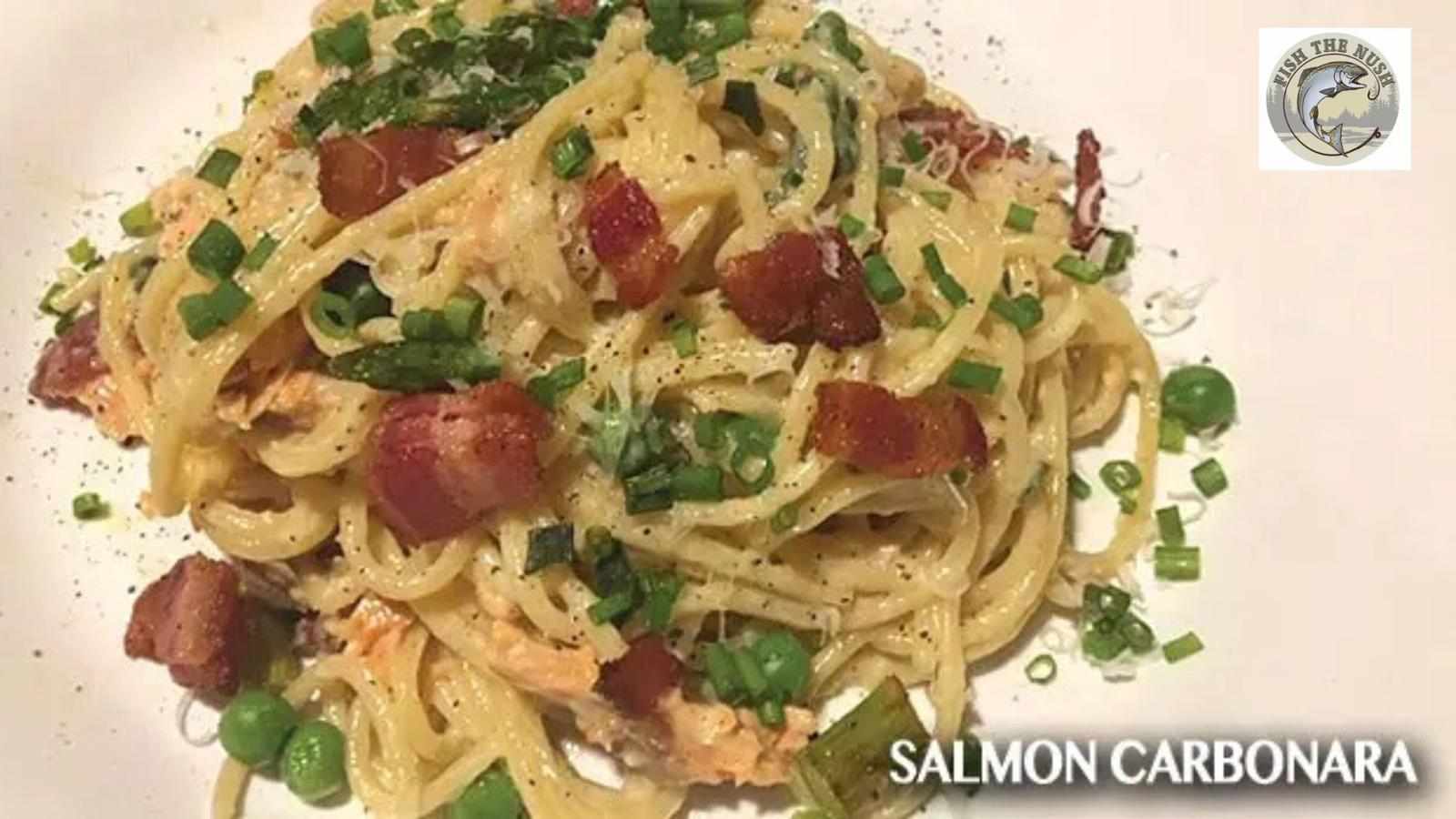
Hospitality: Gourmet dining programs featuring five-star cuisine such as prime rib, halibut, and hand-crafted desserts.
Why Settle for a Trip When You Can Join a Legacy?
At Fish The Nush, we have redefined the Alaskan experience by combining the raw power of the Nushagak River with the refined comforts of a boutique retreat. Known as the "Taj Mahal of the Bush," our lodge offers a sanctuary where the adrenaline of the river meets the tranquility of luxury lodging. From our insulated wood cabins to the exquisite culinary creations of our professional chefs, every detail is designed to honor the magnitude of the wilderness. We don't just provide a guide; we provide a gateway to the most productive salmon runs on Earth. Join us this summer to experience the perfect intersection of wilderness and world-class hospitality.
Write a comment ...